

Support the Campaign
Let's get the word out
The Georgia Public Service Commission flies under the radar, but it's one of the most critical regulatory boards in the state, overseeing energy costs and the plans for that power is generated. Your support provides critical resources to the campaign to educate the public and turn out voters to vote for affordable, reliable, clean energy.
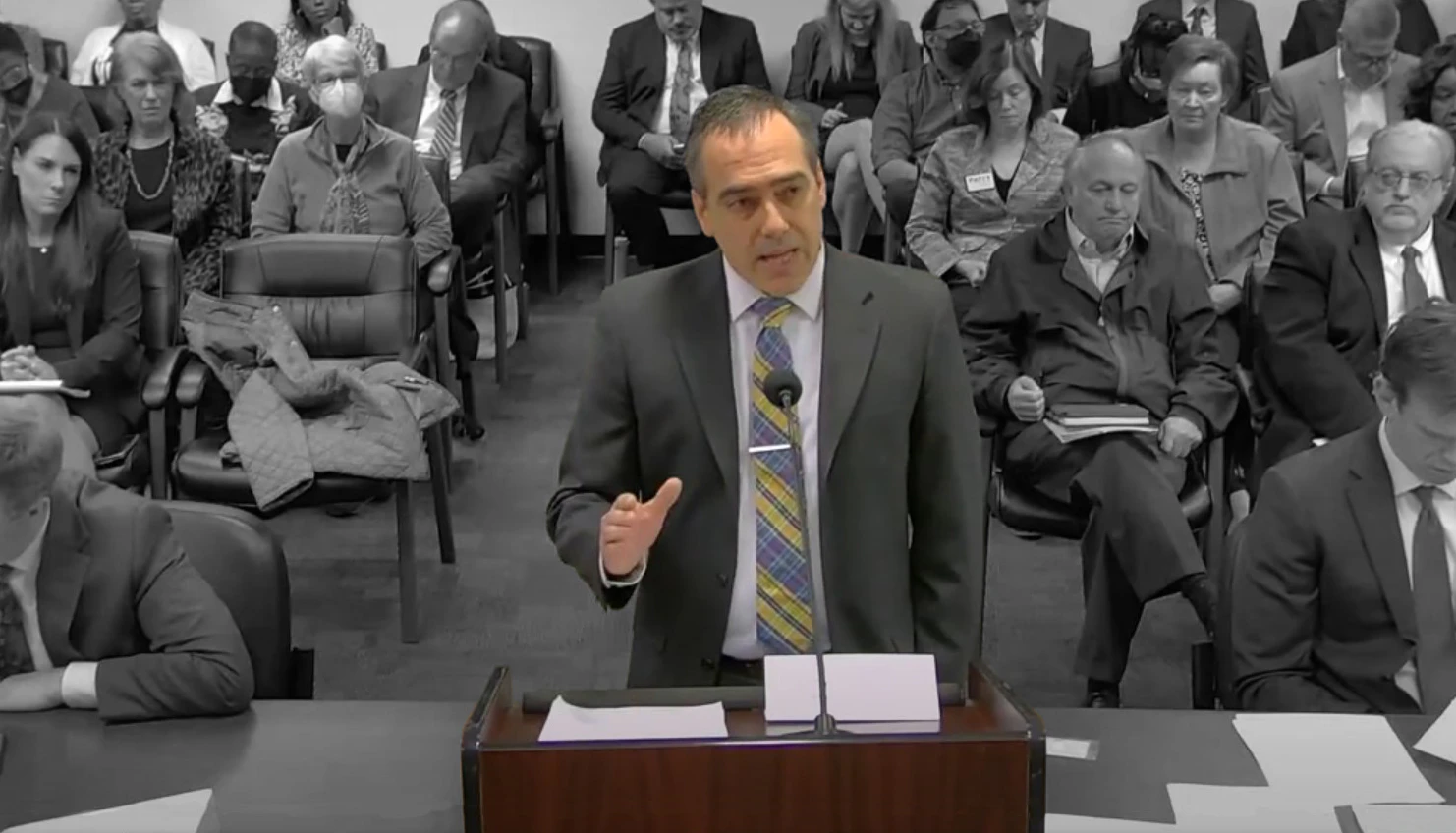
Hitting the Ground Running
Before Peter Hubbard was sworn in as Commissioner in January 2026, he worked for a solar developer building grid-scale solar and energy storage systems that supply inexpensive, clean and reliable energy to markets along the Gulf Coast.
Hubbard also formed a nonprofit and spent 6 years advocating for consumers in front of the Georgia PSC. Using his 15 years of energy sector and market analysis experience, he argued against Georgia Power's flawed and overpriced plans and submitted alternative plans that would have kept utility bills low.
In only a few short months as commissioner, Hubbard has:
- Demanded an independent audit of Georgia Power's profit margin arguing that it is significantly above national averages,
- Pushed for a reconsideration of the PSC's 2025 lame duck approval of Georgia Power's massive fossil fueled grid expansion,
- Published a data center cost analysis estimating that data center electricity discounts shift over a billion dollars in infrastructure costs onto residential customers,
-Testified in front of the state legislature on the need for legislation to protect consumers.
Along with Commissioner Alicia Johnson, Hubbard has cut the 5-0 Republican voting majority down to 3-2, and used his position to shed light on the heavy burden residential customers have been forced to carry.
Early VOting begins October 13th
election day - November 3rd, 2026
This year YOU have the power to shift control of the PSC into consumers' hands.
Last November, Peter Hubbard won a special election for a 1-year term on the Public Service Commission.
This year, Hubbard is running for a full 6-year term. A second commission seat is also on the ballot.
When (not if) Democrats win both seats in November 2026, control of the Georgia Public Service Commission will have gone from years of monopoly Republican control to a flipped 3-2 Democratic majority in just 1 year, and that result is locked in for at least 4 years.
Winning control of the Georgia Public Service Commission means prioritizing lowering power bills instead of constantly increasing corporate profits, ramping up the deployment of clean energy technologies, and focusing the people in our decision-making as state regulators.